A “Moment” in Time
The building was chosen because it looked useful.
That was the first mistake.
To the mayor, it was housing. To the developer, it was opportunity. To the investors, it was dormant value. To the unions, it was work. To the city, it was proof that old office towers could be reborn as homes.
But to the engineer, it was something else.
It was a body with a history.
Every column had memory. Every floor carried an old intention. Every shaft, weld, beam, splice, and drawing belonged to a prior life. The city wanted the building to become a promise. The developer wanted it to become a project. The mayor wanted it to become a symbol.
The building wanted to be understood.
At first, no one heard it.
The speeches came first. There were renderings, numbers, press releases, photographs, and confident words about transformation. The old corporate tower would become housing. Empty office space would become bedrooms, kitchens, windows lit at night. The city would point to it and say: Here is proof that we can still build, still adapt, still answer a crisis with imagination.
The mayor needed that proof.
He had come to office with a promise that could not remain a slogan. People needed homes. Families were doubled up. Young workers were priced out. Retirees were afraid of rent increases. Every month of delay had a human cost. A building that could produce hundreds of apartments was not merely a construction project. It was political oxygen.
The developer understood this. He stood beside the mayor and spoke the language of rebirth. The building, he said, had good bones. The conversion would bring life back to Midtown. He spoke of adaptive reuse, sustainability, urban renewal, and the future of the city.
The investors heard something else. They heard numbers.
The unions heard work.
The anti-union men heard obstruction before the first complaint was even made.
And somewhere deep in the structure, below the speeches and above the old foundation, steel carried load as it had always carried load: silently, indifferently, without politics.
Then the building spoke.
It began as a small report from the jobsite. Not a collapse. Not a disaster. Not yet. A floor that seemed wrong. A column that did not look right. A measurement that made one man look twice and then call another man over.
On a construction site, danger often arrives without drama. It does not announce itself with thunder. It appears as a gap, a tilt, a sound, a stain, a line that should be straight and is not.
The worker who saw it first did not know the whole story. He only knew that something in the building had stopped behaving like a building.
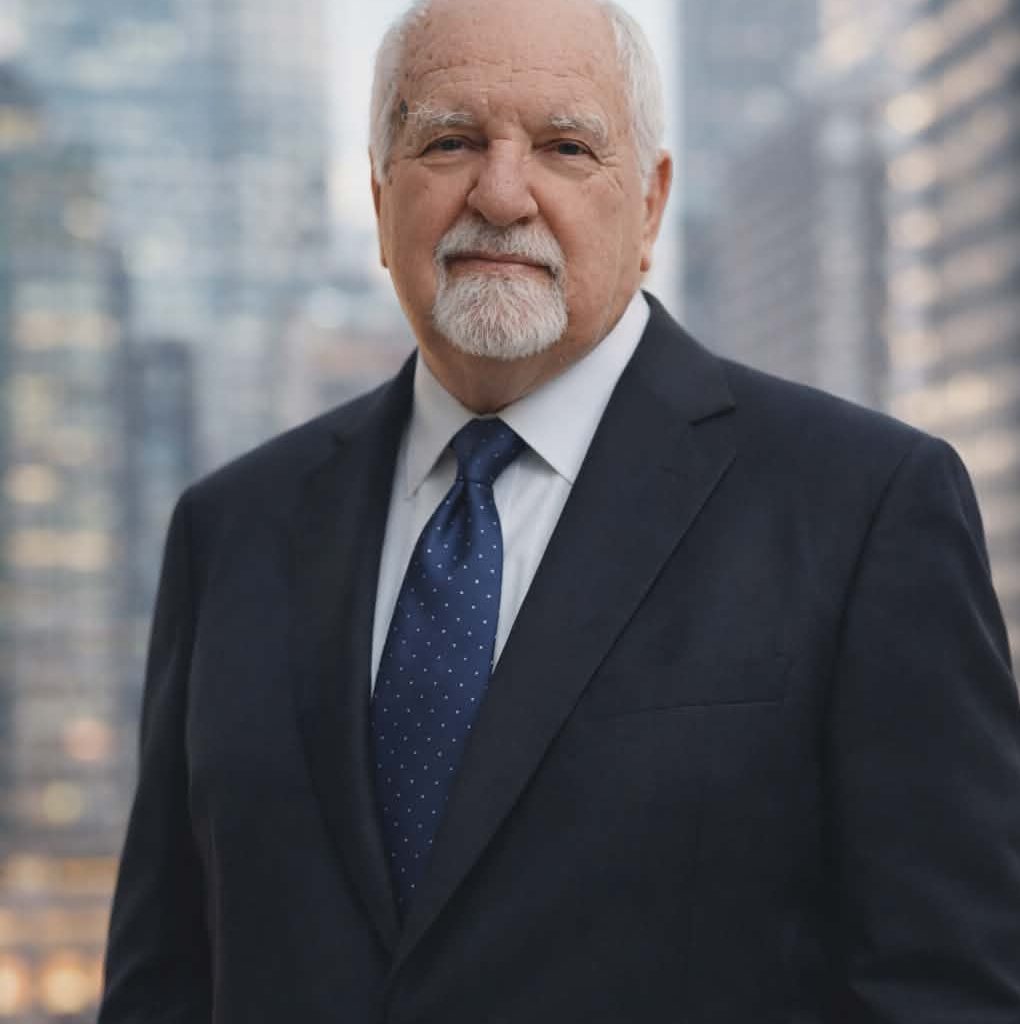
A city tries to force an old building to become a political promise, until one engineer must decide whether to sign his name at the end of the table, the engineer closed the folder.
No one spoke at first. The mayor looked at the developer. The developer looked at his lawyer. The union man folded his arms. Outside, reporters waited for a sentence they could turn into a headline.
The engineer did not raise his voice.
“You can call this a delay,” he said. “You can call it excessive caution. You can call it politics, labor trouble, regulatory fear, or bad timing. But the building has already given its answer.”
He touched the drawing with one finger.
“This column is not a debate.”
And so, a city tries to force an old building to become a political promise, until one engineer must decide whether to sign his name to hope — or to truth.


Leave a Reply